The Login Was Never About the Login: What We Actually Lost When Password Sharing Died
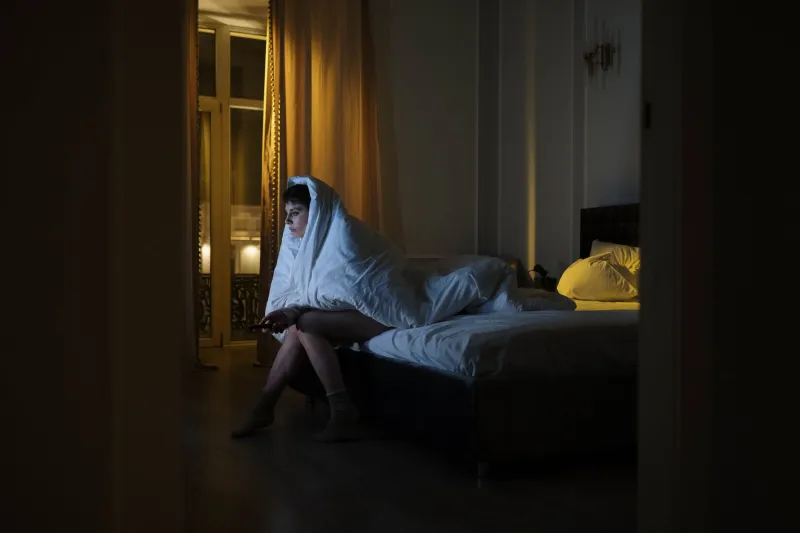
Nobody warns you that the end of password sharing feels like a breakup. Not with a person — with a whole ecosystem of people you love, or at least tolerate at Thanksgiving.
For about a decade, my Netflix login was less of a credential and more of a key to my parents' house. My cousin in Phoenix had it. My college roommate had it. My aunt, who still refers to every streaming app as "the Netflix," had it. Nobody asked. Nobody tracked. It just was — like the spare key under the flowerpot, except digital and with better recommendations.
Then 2023 happened, and the flowerpot got a camera on it.
What the Password Actually Said
Here's the thing I keep coming back to: the shared login was never really about saving money. Okay, it was a little about saving money. But underneath the $15.49 monthly dodge was something quieter and, honestly, kind of beautiful.
Having someone's streaming password meant you're welcome here. It said, without a single word or phone call, "I trust you with the stuff I wind down with at night." My dad never once told me he loved me via text, but the day he texted me his HBO Max login — lowercase, no spaces, he's not a monster — I understood that a door had been opened.
Streaming platforms cracked down on that. They called it "borrower verification" and rolled out "add an extra member" fees, and suddenly the open-door policy had a bouncer with a clipboard.
The Negotiation Era
What replaced the free-for-all is a strange new economy of family streaming, and I've watched it play out across my own group chat like a slow-motion soap opera.
My sister now "owns" the Hulu account, meaning she pays for it and has granted access to exactly two people: me and our mother, because our mother once called her four times in a row about a billing issue and my sister would pay any price to never repeat that. My cousin in Phoenix got cut off entirely. He found out via a login error screen, which is somehow the coldest way to learn you've been demoted from "family" to "user."
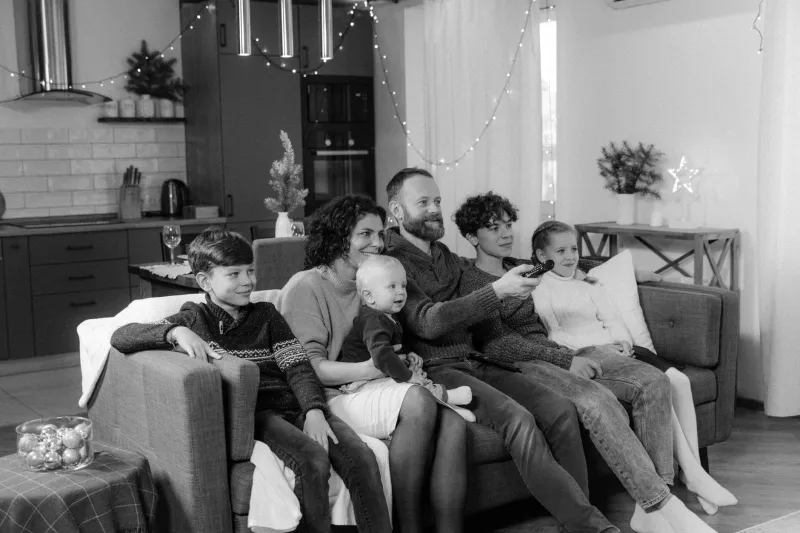
And here's the awkward part nobody talks about: the crackdown didn't just end sharing — it created hierarchies. Suddenly there are account holders and there are guests, and everyone knows which one they are. My aunt, who had our Netflix info for six years, was offered a spot on my dad's plan as a paid "extra member." She declined and now watches antenna TV and local news on YouTube, and mentions it. Often. At gatherings. "Oh, I wouldn't know, I don't have the Netflix anymore." A weapon, deployed with precision.
Who Pays for Whom, and Why It's Weird Now
The old system was anonymous socialism. The new one is a ledger. Somebody's name is on the bill, and everybody knows whose.
In my family, that's produced some genuinely strange dynamics. My dad pays for Netflix and Paramount+ because he's the patriarch and that's his love language. My sister holds Hulu like a deed to property. I have Max, which means I'm the person people text when they want to watch something the same weekend it premieres — a small, fleeting power I intend to abuse.
But there's friction baked in now. When my cousin asked to be added back, my dad had to have a conversation about it. About $7.99 a month. A conversation, over a relative, about a streaming fee. The password era would have handled this with silence and a texted login. The new era requires diplomacy.
The Group Chat Filled the Vacuum
And yet — and this is the part I didn't expect — the family group chat got stronger.
When sharing died, we lost the passive connection, the ambient "we share a household" signal. So people started actually talking. "Anyone have Apple TV? Is Severance worth resubscribing?" "Dad, your Paramount+ ran out, the game's on a different app." Recommendations get passed around like recipes now. Somebody's always rotating a subscription on and off, and the group chat is the trading floor.
It's more effort than the old way. It's also, weirdly, more human. The password was a silent contract; the group chat is an actual conversation, complete with opinions, spoilers, and my mother asking why the show she likes "isn't on the good one."
A Small Eulogy, Then Moving On
I'm not saying the crackdown was good. It was a corporate squeeze dressed up in the language of fairness, and we all paid it because the alternative was missing the show everyone's talking about. The platforms won. They always do.
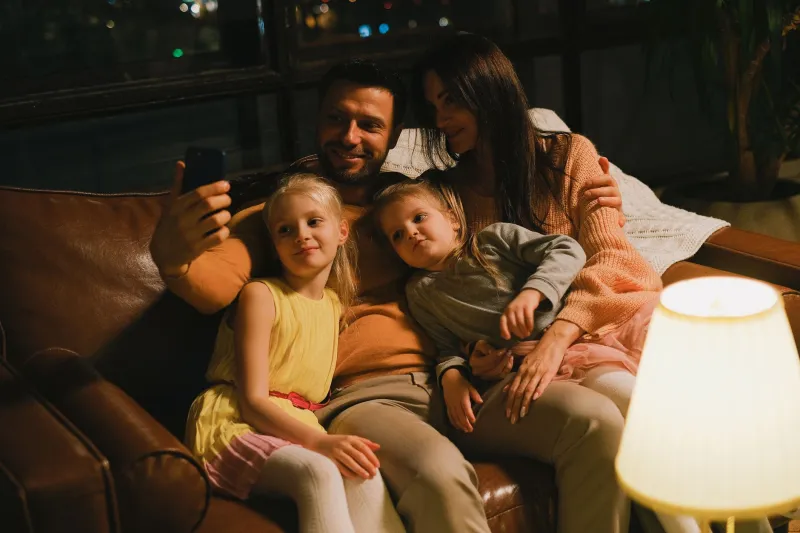
But the thing the password represented — that easy, unspoken "come on in" — didn't die. It just moved. It lives in the group chat now, in the rotating subscription trades, in my dad grumbling as he adds my aunt to his plan because he "wasn't going to let her watch the local news forever."
The key under the flowerpot is gone. But the door still opens. You just have to knock first now — and someone in the family chat will tell you where the spare one is hiding.