R.I.P. the Remote: A Small Funeral for the Clickiest Object in the House

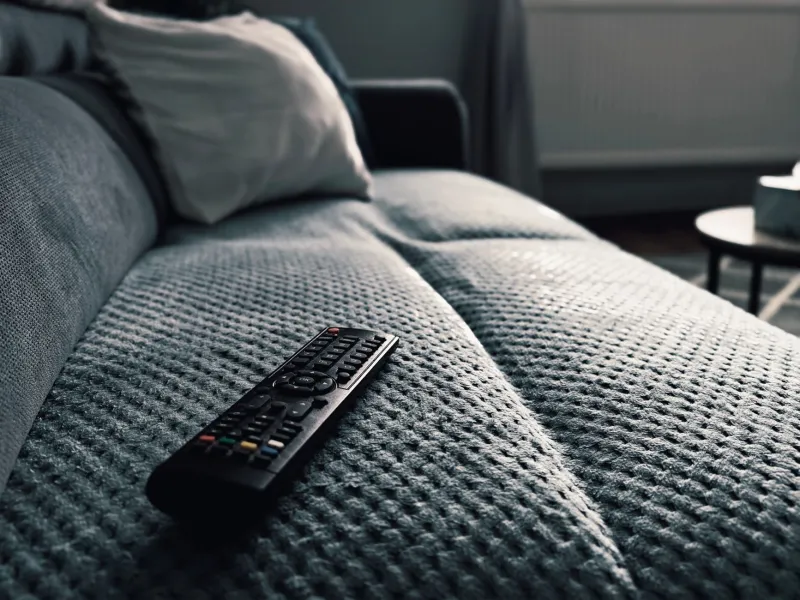
Photo by Photo by Sofie D. on Unsplash on Unsplash
I found the remote to my main TV last weekend. Not because I needed it — I was looking for a charging cable under the couch cushions and it turned up next to a fossilized fry. That's the state of things now: the most powerful object in the living room, buried like an artifact from a lost civilization.
And honestly? I'm not sure anyone's coming to save it.
Seventy Years of Sitting on the Throne
Let's give the thing its flowers. From the Zenith Spacecommand in the fifties (which actually clicked — it had tiny hammers striking rods inside, which is delightful) through the cable-box brick of the '80s to the sleek Netflix-button wands of today, the remote was the scepter of the American living room. Whoever held it, ruled.
That's what made it dangerous, too. Every household had The Remote Wars. Someone loses it in a couch cushion. Someone else "accidentally" carries it to the kitchen. A sibling switches the channel while you're in the bathroom and pleads the Fifth. Whole family dynamics were negotiated through that little plastic rectangle. It was diplomacy by way of petty theft.
Then Everything Got a Microphone
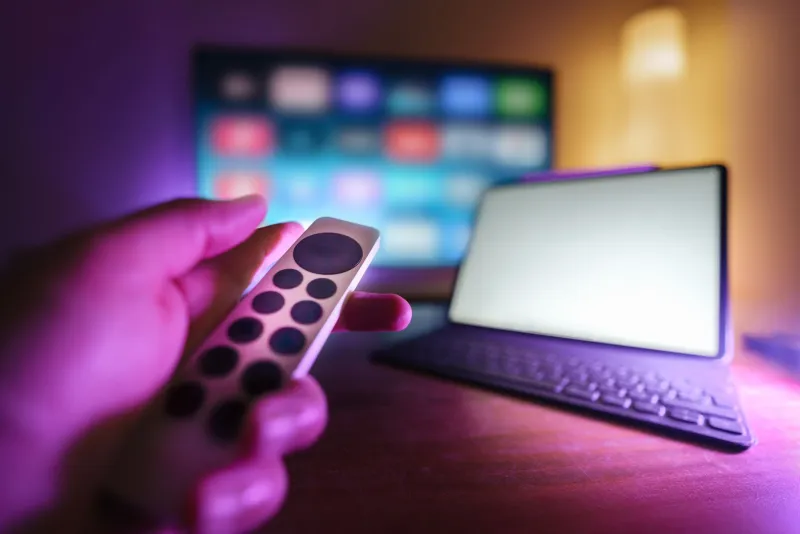
Fast forward to now. My TV answers when I talk to it. My phone can control it. My game console can control it. There's an app for it, obviously, because there's an app for everything. Half the time I don't even turn the TV on with a button — it just wakes up when the console does, like a dog hearing the garage door.
The numbers back the vibe check. Voice search is the default for a huge chunk of viewers under 35, and smart TV interfaces have folded the remote's job into the screen itself. Why punch a number when you can say "play the Chiefs game" from the kitchen? The remote isn't dead yet, but it's definitely on the injured reserve list.
What We're Actually Losing
Here's the part where I get sentimental, because something genuine is going away.
The channel surf. Flipping through live TV was a activity. You'd land on half a movie from 1993, watch eight minutes, keep going. It was browsing in the old sense — wandering, not searching. Today's algorithm hands you a decision the second you open the app. There's no drifting anymore. Just a homepage that already knows you too well.
The click. A tiny, satisfying, physical confirmation that you, a human, did a thing. Voice commands are convenient but they're bloodless. Nobody remembers the time they said "play Ted Lasso." Everybody remembers slamming the channel changer when their mom walked in during a kissing scene.
The custody battle. This sounds like a joke but I mean it: the fight over the remote was a low-stakes way families practiced sharing power. Now everyone just quietly watches their own thing on their own screen. Fewer fights, sure. Also fewer moments.
Will Anyone Under 25 Ever Hold One?
I asked my cousin's kid — 19, very online — when he last used a TV remote. He thought about it and said, "at a hotel, I think?" Which tracks. Hotel remotes and airport payphones are now in the same category: objects you only encounter while traveling.
His generation controls everything by voice, by phone, or by just... watching on the phone instead. The TV is a big dumb monitor that happens to be attached to the wall. The remote is a spare part, like the disk drive eject button on a laptop nobody uses.
A Toast to the Little Brick
So here's to you, remote control. You survived being sat on, thrown, drooled on by infants, and buried in upholstery. You started more sibling fights than the front seat of the car. You taught a whole country that whoever holds the clicker holds the room.
Enjoy the couch cushions. You've earned the rest.
(And if you're one of the holdouts still clicking along — no judgment. My grandma refuses to say a single word to her TV and honestly, she might have the right idea.)